July
4th fireworks have come and gone and summer is in full swing. Family vacations, trips to theme parks and
other summer fun are in the works. These
family trips are what make great summer memories. Camping trips are a common family adventure
that often lead to great stories and fond memories that are relived for years
to come. Let’s just be sure those
memories are happy ones of silly pranks and majestic views. One of the most important ways to ensure a
positive experience is to be prepared for potential emergency situations that
can arise during your trip. No one wants
to have a trip impacted by someone spraining an ankle or getting bit by a
snake, but it is important to be prepared with the knowledge and supplies to
handle these situations. This blog will
be a list of key situations you should be able to handle and the supplies
necessary to address them.
July
4th fireworks have come and gone and summer is in full swing. Family vacations, trips to theme parks and
other summer fun are in the works. These
family trips are what make great summer memories. Camping trips are a common family adventure
that often lead to great stories and fond memories that are relived for years
to come. Let’s just be sure those
memories are happy ones of silly pranks and majestic views. One of the most important ways to ensure a
positive experience is to be prepared for potential emergency situations that
can arise during your trip. No one wants
to have a trip impacted by someone spraining an ankle or getting bit by a
snake, but it is important to be prepared with the knowledge and supplies to
handle these situations. This blog will
be a list of key situations you should be able to handle and the supplies
necessary to address them.
Most
importantly, you or someone in your camping party should be trained in basic
first aid and CPR before venturing out.
You can learn more about how and where to become trained in these
techniques through the American
Red Cross or the American Heart Association. You can never be over prepared to handle an
emergency.
CHOOSING
A FIRST AID KIT
When
camping it is always important to have a first aid kit with you at all
times. This kit should include a variety
of items that can address blisters, cuts, abrasions and other minor
injuries. As appropriate (consider your
camping location) it should also include insect repellent and a snake bite
kit. One of the most complete
lists of items that should be included in your first
aid kit is available from REI. Some
sources recommend purchasing
an airtight container to keep your supplies in and purchase
what you need instead of buying a pre-stocked first aid kit as a way to minimize
cost. Either is appropriate, just have a
first aid kit available. Check out this
article if you have questions on how to choose a first aid
kit.
SUN
PROTECTION
Part
of the joy of camping is being in the great outdoors. It’s important to protect yourself while
outside to minimize sunburn and cancer risk. No one wants to be slowed by a severe sunburn
that could have easily been prevented.
The American Academy of Dermatologists say that sunscreen should be
broad spectrum, water resistant, and at least 30 SPF. It should also be reapplied every 2 hours,
more frequently if you’re going to be in the water. For more specific details regarding sunscreen
and how to protect yourself, check out this A4IA blog entry.
WEATHER
EMERGENCIES
Checking
the weather before you leave for a camping trip is always the responsible thing
to do. Knowing the weather report for
where you’re going can help you plan accordingly with appropriate
supplies, tools and clothing. Paying
attention to the weather once you are immersed in your camping trip is also
important. Making appropriate decisions
regarding your trip and impending weather can sometimes mean the difference
between having a great time and getting caught in a storm. It can be as simple as staying in during the
middle of the day when the sun is hottest, especially in desert climates. You should also be weary of thunderstorms and
the associated lightning. Lightning can
be very dangerous and depending on the location can move quickly. If you suspect a lightning storm, seek safe
shelter. Do not remain in the water or
out on a hike. Finding safety while camping can be particularly challenging, especially if you’re backpacking in the wilderness, be sure to have a plan. Use the 30 minute rule to
determine whether you can return to activities.
This means you must wait at least 30 minutes to return outside (or to
activity) after the last audible thunder and/or visible lightning. For more specific
recommendations on how to protect yourself during a storm check out this recent A4IA blog post.
EXERTIONAL
HEAT ILLNESS
Exertional
heat illness (EHI) can range from heat cramps (relatively minor) to exertional heat stroke (life-threatening). There are a variety of factors that can lead
to someone suffering from heat illness, but one of the most common factors is dehydration. Dehydration is preventable. When camping and hiking be sure to take
enough water (or have a water filter and utilize natural sources) for your hike
based on the length and difficulty of your hike. You can also monitor your hydration level
based on urine
color and level of thirst (although if you’re thirsty, it
may be too late). As a reference, when
hiking a general rule of thumb is to drink 500mL per mile. For more recommendations on how to manage
your hydration demands when hiking check out this hiking
blog. Another resource on hydration and heat illness prevention is the NATA
Position Statement on the topic. If you
need advice on how to select a hydration pack, one of the most common ways to
carry water, check this
out.
INSECT
BITES & STINGS
A
key item that should be included in your first aid kit is bug repellent. It is important to protect yourself from
insects of all kinds. Mosquitos are
notorious for carrying diseases (such as West Nile) as are ticks (most notably Lyme disease). Another concern is being stung. There are people who are very allergic to
insect (bee/wasp) stings and if not treated immediately these situations can become emergencies. When planning your trip,
along with bug repellent you should be sure to have an antihistamine cream and
tablets (oral medication) to treat the itching associated insect bites and
stings. You should also be aware of
anyone in your party that has a sting allergy and how severe it is. Many of those with severe allergies will be
prescribed an Epi-pen. Be sure you know
how to administer the pen, in case the individual that has been stung is unable to administer it him/herself. For more information on how to deal
with stinging insects by properly removing their stingers and using an Epi-pen
check out this A4IA blog post
on anaphylaxis.
Ticks
and tick bites are another concern.
While not common in all areas of the United States it is important that
after a day in the wilderness in high risk areas that all campers check themselves for
ticks and tick bites. Ticks are
carriers of Lyme Disease.
According to the most recent research by the CDC in 2011 96% of all Lyme Disease
cases were reported from 13 states: Connecticut, Delaware, Maine, Maryland,
Massachusetts, Minnesota, New Hampshire, New Jersey, New York, Pennsylvania,
Vermont, Virginia and Wisconsin. It is
notably concentrated in the Northeast, but it does not mean it cannot be
contracted elsewhere.
When
protecting yourself against Lyme Disease it is important to recognize the signs
and symptoms of a tick bite and Lyme Disease symptoms as well as how to remove a tick safely.
If you are bitten by a tick and it is still attached use a pair of fine-tipped
tweezers and pull upward with a steady even pressure, being sure not to
twist. Clean the area of the bite using
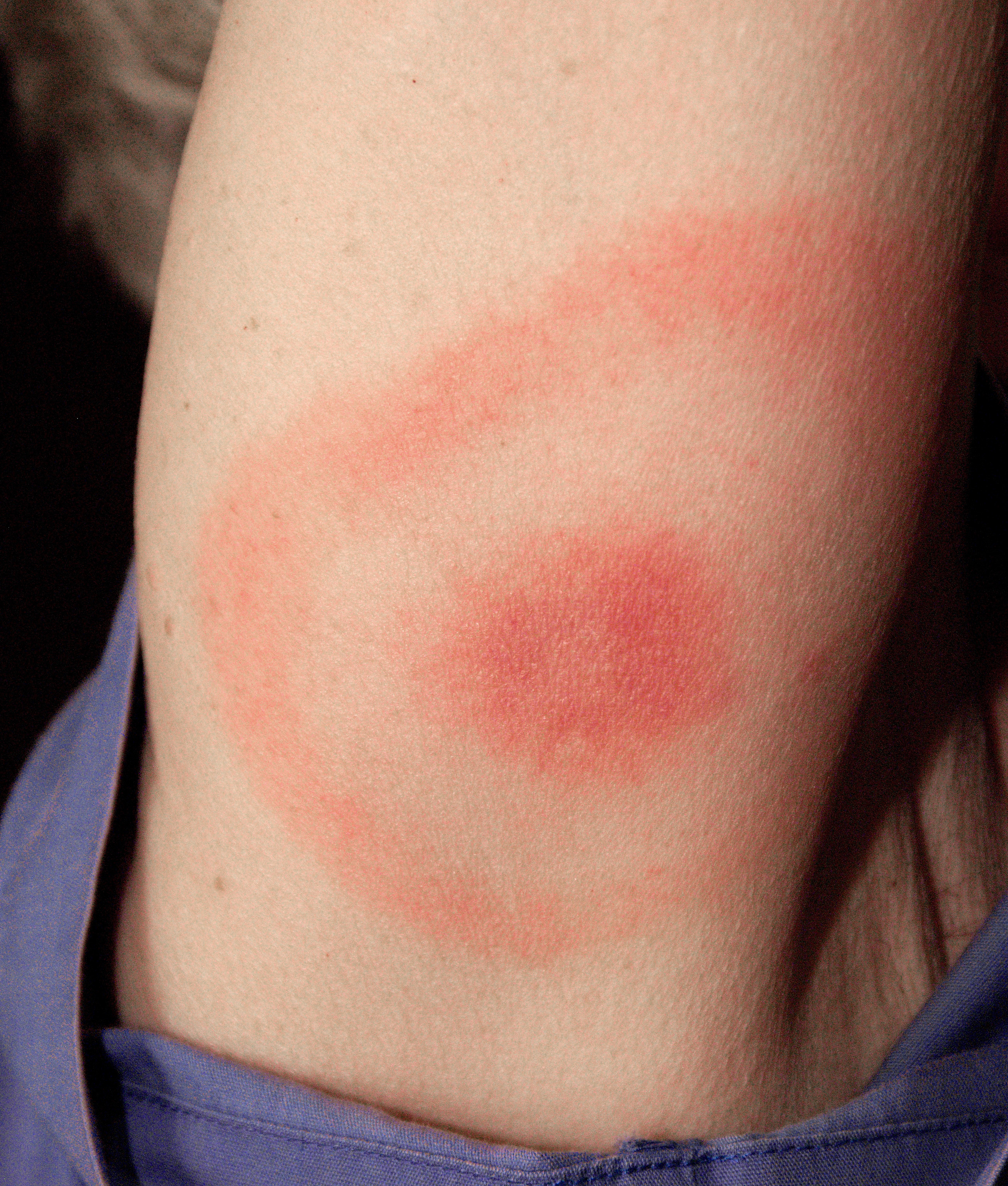
rubbing alcohol, an iodine scrub or soap and water. The most obvious symptom is
an expanding rash called erythema
migrans, but you may also experience fatigue, chills
headache, muscle and joint aches and swollen lymph nodes. If you believe you may be suffering from Lyme
Disease it is important to seek medical attention as soon as possible so
antibiotics can be administered. The discussion
of Lyme Disease Syndrome is beyond the scope of this blog but check out the CDC
for more information.
SNAKE
BITES
Admittedly,
until I moved to San Diego a year ago I wasn't as worried about being bitten by
a snake. Not that there are not snakes
of all kinds around the United States, but there weren't many that I was
especially concerned about like the rattlesnakes that are indigenous to San
Diego. The best protection against
snakes is to avoid them and be respectful their territory. The American Hiking Society (AHS) makes some great recommendations (check out the link) on how to hike safely and
protect yourself. One recommendation is
that if a log has crossed your path, step on the log then down instead of over
the log. Doing this, gives you a chance to see if there is a snake on the
opposite side of the log and you can avoid stepping on it.
If
you should get bitten by a snake you should call 9-1-1 immediately or go to the
nearest emergency department. Minimize
activity if possible and remove any restrictive clothing from your arm or leg
to minimize complications from swelling.
Do not elevate the bite area above the heart. The AHS also recommends that you do not try
to suck the venom out, use a tourniquet or take aspirin. If you’re alone you may need to find a way to
hike out to the nearest phone or roadway for help.
WATER
RELATED ILLNESS & INJURY
Aside
from hiking one of the most common activities while camping is usually
swimming. You should always be aware of
your surroundings and take care to enjoy the water safely. The CDC has several resources that
provide tips for healthy swimming, to avoid drowning and how to stay safe while
boating. Generally speaking, to avoid
water-borne illnesses you should avoid swimming when you have diarrhea, shower
before and after swimming and don’t drink the water. When boating (ex.: canoe, kayak or motorboat) be sure to wear a
life jacket. Most importantly, be sure
you’re familiar with the water where you’ll be swimming or boating. Finally, you should never swim alone.
OTHER
EMERGENCIES
Other
things you be familiar with include recognizing poison ivy, oak or sumac
plants. These plants can cause contact
dermatitis when they touch your skin.
The rash is caused by an oil in the plants and can be extremely itchy
and irritating. Check out this photo.
The rash can take up to several days to appear, but if you believe you have
been exposed you should wash the area immediately after contact. Most minor rashes can be treated with antihistamines
(such as Benydryl) and calamines to relieve the symptoms. A more severe rash may require treatment from
a physician. For more information
checkout this
link.
Finally,
you should be prepared to handle basic first aid situations ranging from abrasions, blisters, to sprains and strains. One of the most important acronyms you can
remember when treating basic orthopedic injuries is RICE (Rest, Ice,
Compression, Elevation). This technique will allow to appropriately treat almost any acute orthopedic injury (see sprains and strains link for more information). You should also
be prepared to splint a potential fracture.
Taking a sanctioned first aid class can give you the skills you need to
handle all these situations confidently. If you
suspect a fracture there are a few easy steps you can follow: 1) splint the body part in the position it is
found; 2) check the pulse before and after applying a splint; 3) you can use
anything rigid to splint (think tree branches, tent poles, cardboard, pillows)
and 4) be sure you've had someone contact 9-1-1 immediately or hike to a phone
or road to get help. If you're in a large party it is best to send one person for help while others remain with the injured camper. You should always avoid leaving the injured camper alone unless you have no other option.
OTHER
RESOURCES
In the end, many of these sections are brief introductions. It will be important for anyone who is taking
a camping trip to be familiar with this information and much more. My hope with this post was to introduce you
to a variety of camping safety resources you may not already be familiar. I also wanted to give you an idea of the types of things you need to be prepared for. The best first aid for any emergency is to be
prepared in advance and avoid troubling situations in the first place. Of course, despite appropriate prevention efforts
injuries and other stressful situations can still happen. When they do, will you know what to do? The best advice I can give is be prepared and know your plan for potential common emergency situations. If an emergency arises execute your plan. You should also know what you can handle and what needs more advanced medical attention. This decision is often the most important one you'll make in any situation. Happy camping!
Heather L. Clemons, MS, MBA, ATC