Showing posts with label concussion. Show all posts

Wednesday, January 22, 2014

How Does your School Stack Up on Sport Safety?

The intention of this week’s post is to help parents understand how to assess their child’s school sports safety program.  The focus will be on high schools, since most legislation and policy standards focus on school sponsored activities.  This doesn’t mean that you should not hold your youth league organizations to the same standard, but it just means they may not be held to the same legal standards depending on the legislation on record in your state.  There are a variety of resources and programs that can give you a glimpse into various programs that can help parents.  I will highlight the NATA’s Safe School’s Program and policy resources available via the Korey Stringer Institute.  I selected these organizations because I believe they provide the most useful information in one place, making it easier for parents to access as much information as possible with as little searching as possible.


KOREY STRINGER INSTITUTE RESOURCES:
 
KSI, led by Executive Director Doug Casa, PhD, ATC, FACSM, FNATA (check out his previous blog feature), is focused on policy-making, education, research and advocacy in the area of preventing sudden death in athletics.  A particular area of expertise for KSI is exertional heat illness (EHI), but time is spent addressing other conditions that could lead to sudden death (Just check out their education and research tabs).  As part of the policy-making arm KSI has developed a series of policy recommendations for states when trying to make youth (especially HS) sports safer.  KSI has taken the time to create graphics that can help you understand whether or not your state meets any or all of the recommended guidelines in a specific area.

Guidelines for High Schools are available in these areas:
 

These graphics are relatively easy to understand and allow you the option to click on your specific state and “drill down” to the specific policies that may or not be in place.  For example, if you’re interested in understanding more about heat acclimatization guidelines be sure not to scroll past the summary information to get to the interactive map.  This summary information clearly delineates the research supported KSI recommendations (which you’ll need to know to understand the map).  Once you know the recommendations go ahead and see how you’re state stacks up to others based on the overall graphic.  If you want to know the specific recommendations your state meets, click on your state to learn more.

 If you want to be an advocate for your state and get all KSI recommendations supported, KSI is willing to work with individual states to get guidelines in place, if it’s not already happening.  There are many states that do not have all the recommendations in place at the high school, so there is work to be done.  Ultimately, I would love to see these guidelines be required with youth sport organizations as well.


NATA SAFE SPORTS SCHOOL:


The Safe Sports School Award is a recognition program initiated by the NATA in March 2013.  A review of the application packet delineates all the guidelines for being designated as a 1st team or 2nd team school.  First team schools meet all recommendations, while second team schools only meet required recommendations.  The list of requirements include:


  • Create a comprehensive athletic health care administrative system
  • Provide or coordinate pre-participation physical examinations
  • Promote safe and appropriate practice and competition facilities
  • Plan for selection, fit, function and proper maintenance of athletic equipment
  • Provide a permanent, appropriately equipped area to evaluate and treat injured athletes
  • Develop injury and illness prevention strategies, including protocols for environmental conditions
  • Provide or facilitate injury intervention
  • Create and rehearse venue-specific Emergency Action Plans
  • Provide or facilitate psychosocial consultation and nutritional counseling/education
  • Educate athletes and parents about the potential benefits and risks in sports as well as their
  • responsibilities
 
The application clearly delineates what each of these concepts include and of those which are required and which are recommended.  The NATA does not dictate how the school and/or district works to meet these requirements outside of utilizing current position statements to develop relevant policies and procedures.  A few other things that you need to about this award program are 1) there is a non-refundable application fee and 2) the application packet clearly states that award designations are made by the NATA, based solely on the information reported by the school.  There is no submission of supplemental documentation or on-site verification required.  As an individual professional I would like an additional verification process, but that does not mean the award is not a useful designation when it comes to understanding the level of commitment to athlete safety at your child’s high school.
Once you understand where you’re state, league and high school stands on these safety recommendations you become better prepared to protect your children during sports participation.  It is always important to follow up with your school and understand how specific policies are executed beyond the general recommendations delineated here.  The ability to execute these policies and procedures in an emergency is what truly protects athletes.  Proper execution requires regular review and hands-on practice of policies and procedures. 
So, does your school meet the recommended guidelines?  Are the relevant emergency procedures practiced regularly?  If you can answer “yes” then your child is participating at a safe school.  If the answer is “no”, it doesn't mean your child's school is completely unsafe, it may means there is still some work to do.  What are you doing to make things better?

Heather L. Clemons, MS, MBA, ATC

Wednesday, November 27, 2013

Influencing Concussion Reporting Behaviors in High School Athletes

“Be Honest.  Speak Up.”  This phrase is repeated throughout the concussion portion of every ASA™ Program.  Every effort is made to encourage athletes in attendance to be truthful about their concussion symptoms or those of their teammates.  Research has shown that returning to play while still suffering concussion symptoms can lead to more severe and potentially catastrophic head/brain injuries, yet there are still occasions where high school athletes return to play with lingering concussion symptoms.  The question remains, “Why?” 

A recent study in the Journal of Athletic Training attempts to better understand factors that influence concussion reporting in high school athletes.  The researchers hypothesized that improved concussion knowledge and a positive attitude are motivational factors that should increase concussion reporting.  Over a two-year period (2008 – 2010) high school athletes across six sports were asked to complete a survey (167 athletes participated) regarding their knowledge, attitudes, and beliefs about concussions.  Participants were also asked to document previous concussions and concussion-like symptoms and whether or not they reported them to a coach or medical personnel. 

Results of the study show that concussion still continue to be under-reported by student-athletes because of a lack of recognition of concussion signs and symptoms and a negative attitude toward reporting potential concussions.  Specifically, the following was noted:
  • Of the 167 athletes who completed the survey 89 reported having at least one concussion or "bell ringer."  Of these 89 athletes only 15 (~17%) reported ALL signs and symptoms to a coach or medical personnel.
  • These 89 athletes went on to describe 84 concussions (48% were reported for evaluation) and 584 “ bell ringers” (only 12% were reported for evaluation) demonstrating a significant gap in understanding of what a concussion is.
  • In order of most to least cited, the top five reasons for not reporting concussion or concussion-like symptoms included:  1) not believing signs and symptoms were serious enough to report; 2) did not want to be removed from the game; 3) did not want to let down teammates; 4) did not want to let down coaches; and 5) not knowing event was a concussion.
  • Athletes still demonstrate a gap in understanding signs and symptoms associated with potential concussions, especially those that are less common or could indicate another condition such as nausea. 
  • A majority of athletes still do not believe concussion are serious.  Additionally, they feel the need to down play their symptoms and struggle with feelings of embarrassment when deciding whether or not to report a potential concussion.

For m,e this study bring two major points to light that must continue to be reinforced during concussion education for athletes, parents and coaches.  First, the term “bell ringer” must be removed from the conversation when discussing concussions.  A concussion is a concussion, period.  If an athlete is having concussion-like symptoms s/he should report it and evaluated for a potential concussion.  Coaches, parents and medical professional should not use the term “bell ringer” when talking about concussions or performing clinical evaluations.  It is obvious that the term takes away from the seriousness of a brain injury and students may continue to compete despite their symptoms.  Concussion are serious injuries and this should be emphasized with all parties.

Secondly, the study demonstrates that with increased knowledge around signs and symptoms of concussion students are more likely to realize they may be suffering from a concussion and report it.  Creating an environment where it is expected that symptoms will be reported and taken seriously will minimize the likelihood that student-athletes will downplay their symptoms due to feelings of embarrassment.  Coaches and parents can be most influential in this area and should pay extra attention to the culture they create around toughness and injuries.  It should be very clear that concussions are not injuries that can be “played through.”

Anecdotal personal reports and data collected by A4IA shows that the ASA™ is helping to increase concussion reporting among high school athletes.  Most recently two athletes at Torrey Pines High School reported concussion symptoms to their athletic trainer for evaluation a week after completing the ASA™ curriculum.  Basic analysis of pre-/post- ASA™ Program testing show that students are unaware of many of the signs and symptoms of concussion (similar to those cited in the highlighted study), but also believe you must lose consciousness to suffer a concussion.  Finally, many did not realize that exercise can cause the return of concussion symptoms and that returning to play while still suffering from a concussion can lead to prolonged concussion symptoms or even second impact syndrome (SIS).  ASA emphasizes all signs and symptoms of concussion, the seriousness of these injuries and the potentially catastrophic consequences of participating with concussion.  Following the completion of the ASA™ Program athletes demonstrate a more clear understanding of concussions based on the available post-test data.  They understand that you only lose consciousness in 10% of concussions, can describe second impact syndrome (SIS) and know the importance of a gradual return to play program.  Most of all, they know it is critical to report their symptoms and be evaluated.


It’s a small step, but an impactful one.  As the number of athletes who have completed the ASA™ training grows the gap in concussion knowledge decreases.  Ideally concussion reporting will increase and studies that currently demonstrate concussion under-reporting rates ranging from 40% – 50% will be a thing of the past.  It is important to be sure that concussions are being reported more consistently whether or not there is an athletic trainer available, parents and coaches must continue to educate themselves in concussion recognition and management too.  Be familiar with the available resources and if you have questions ask someone trained in concussion recognition and management.

Submitted by Heather L. Clemons, MS, MBA, ATC

Tuesday, November 12, 2013

Return to Learning Guidelines Following Concussion

At the end of October the American Academy of Pediatrics (AAP) published a series of guidelines to assist in returning young people to learning following a concussion.  I published a link to the full article on the A4IA Facebook Page shortly thereafter, but I wanted to take the time to introduce the statement to you today.  As we learn more and more about concussions, how to recognize them and how to manage them the idea of cognitive rest along with physical rest has become an increasingly popular concept. 

The concept was even discussed in the guidelines published following the 4th International Conference on Concussion in Sport held in Zurich last November.  The resulting consensus statement from this conference did not lead to specific guidelines on how to return to learning (RTL).  The AAP has since tackled that project and developed some key concepts that pediatricians, parents and school administrators, staff and teachers should be familiar with.  The intended audience is pediatricians, but I found these guidelines very helpful as an athletic trainer and believe parents and schools will think the same.

You can review the full statement, HERE.

Following my own review of the statement I have the following recommendations for parents who are dealing with a young child or adolescent who has suffered a concussion and returning to learning:
  • Remember, everyone’s recovery from a concussion is different.  The rate at which symptoms start to dissipate will vary from person to person and concussion to concussion.  Be flexible and adjust your child’s rest needs based on their symptoms and not “cookbook” recommendations.
  • Read the AAP’s entire statement on RTL and be sure your child’s pediatrician is familiar the statement and is willing to work with you and your child’s school to facilitate your child’s recovery and return to school.  Most students will recover within 1-3 weeks and help will only be needed for a short period of time.
  • Become familiar with education jargon relative to the various types of academic adjustments that are available so you can communicate clearly with your child’s pediatrician and school (the statement can help with this).
  • Become familiar with the resources available at your child’s school from both a health and academic perspective and communicate with appropriate parties as needed while your child is returning to school.  This should be a team effort.  For example, who is the school nurse, school psychologist, athletic trainer, special education contact?
  • If your child suffers prolonged post-concussion syndrome it is important to consider further follow up with a neuropsychologist (or other specialist) who is familiar with pediatric concussions.
  • Remember, students should be at their academic “baseline” BEFORE returning to sports.
  • The statement provides additional concussion resources at the conclusion of the statement and while they were likely intended for pediatricians I believe they may be useful in answering additional questions for parents and others.

Just as returning to sport too soon after a concussion can prolong symptom, it is believed that returning to school too soon can do the same.  It is important to know that research is still being done to continue to clarify RTL guidelines, but based on what we know it appears that the same graded return process that is used for physical exertion is also a useful process when considering cognitive exertion.  In the end, as I always seem to say, be prepared and have a plan.  It’s a team effort to return a child to school and sport following a concussion and the more you know, the more the team will know.


Submitted by Heather L. Clemons, MS, MBA, ATC

Thursday, October 3, 2013

Recent Concussion Bylines

As many of you know I like to periodically scan the news and research publications to update you on what is happening in the world of sport-related concussions.  Given the recent release of post-concussion syndrome treatment guidelines and the start of the new NFL season concussions still remain a common topic of discussion.  Below you find links to recent research studies, personal stories and injury reports relating to concussions.  This information is posted for your review and critical analysis.  I will provide a brief description of the links I have posted to give you a better starting point for what you’re about to read.

NFL CONCUSSION COUNTS:
It seems if you read the sports section of any newspaper on Monday it is littered with reports of who was diagnosed with a concussion, who returned after a concussion on who didn’t.  Ever wonder how many concussions happen in the NFL in a given week and ultimately over the season?  If so, here are some links you can follow to track that information for yourself:


RECENT RESEARCH RESULTS:
There is always a regular stream of concussion research being published.  The topics range from understanding the forces that cause concussions, understanding diagnostic tools, recommendations on how to manage concussions and the role of equipment in concussion prevention.  As I scan the various outlets some of the more interesting research publications that have caught my attention are the following:

Guidelines for Mild Traumatic Brain Injury and Persistent Symptoms.  Published by the Ontario Neurotrauma Foundation these guidelines focus on how to manage treatment in patients that are suffering from post-concussion syndrome (PCS).  It is important to note that the recommendations are based on the broader topic of mTBI, not just sports-related concussions.  The statement does take the time to speak to sports-related concussions specifically, while also addressing a variety of common PCS symptoms such as persistent headache and mood changes (anxiety, depression).

Post-exertion neurocognitive test failure among student-athletes following concussion.  The author’s in this study show that athletes who passed a neurocognitive exam (like imPACT) at rest, often failed if the same test if performing physical exertion prior to completing the exam.  Authors advocate for post-concussion neurocognitive testing to include an exam following physical exertion as part of the return-to-play protocol.

Sport-Related Concussion:  How Many is Too Many?  Is a review article where authors review available current research in an effort to systematically answer the question, “How many is too many?”

Time Interval between Concussion and Symptom Duration.  Authors attempt to understand the impact of previous concussion history has on the duration of symptoms of additional concussions.  Authors state that children with a previous history of concussion (especially repeat concussions) are at higher risk for prolonged symptoms following a concussion.

NCAA Concussion Education in Ice Hockey:Authors systematically review the materials and methods used by the NCAA to provide concussion education to its member institution athletes (specifically in ice hockey) and found the materials and techniques did not significantly change athlete’s reporting behavior. 

OTHER INTERESTING STORIES:
Is the iOS 7 Making You Sick?  Here’s Why… I first saw this piece linked on The Knockout Project, but apparently a lot of people are having a tough time with this one, especially those with PCS or a previous history of concussions.

ER Visits, Hospital Admissions for Children with Concussion Skyrocketing.  Recent research shows a growing number of children being seen in the ER for concussions.

The NFL and Concussions:  Knowing What We Knew.  An interesting read regarding concussion management and the role sport culture (particularly as promoted by coaches) plays in under reporting and returning to play too soon.

League of Denial:  The NFL's Concussion Crisis:  The book becomes available Tuesday while the 2-part documentary starts next week.


Pink Concussions:  A resource focused on the concussion experience in girls and women.  They are currently seeking girls to participate in a research study who have a history of concussion.

This is just a smattering of the most recent information that is out there.  There is so much more.  As always I encourage you to do your own research and reading on topics that interest you.  There are a variety of digital search tools out there that can help you do your searches systematically.  If you'd like to learn more about how to do this just drop me a line and I'd be happy to help!

Submitted by Heather L. Clemons, MS, MBA, ATC

Wednesday, July 31, 2013

FOOTBALL HELMETS: CERTIFICATION & FITTING

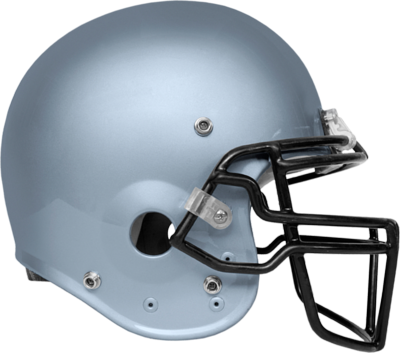
It’s that time of year.  July has flown by and the calendar will turn to August in just a few days.  NFL training camps have already started and pre-season practices will start for colleges and high schools in the coming days and weeks.  Football isn’t the only sport that is ramping up, but it is one of the most equipment intensive.  The continued attention on concussions and minimizing their likelihood has put focus on the equipment, especially helmets.  If you’re not familiar with the guidelines that govern helmets it can be overwhelming.  While no helmet will prevent concussions entirely, properly certified and fit helmets are the most effective at minimizing the risk.

NOCSAE CERTIFICATION
The National Operating Committee on Standards for Athletic Equipment (NOCSAE) is the organization that certifies football helmets in the United States.  They also certify other sport helmets including softball/baseball, lacrosse and hockey.  When checking out your child’s equipment or communicating with the league regarding equipment check for a current NOCSAE label on the back of the helmet.  Schutt, one of the major helmet manufacturers has even started putting QR codes in the NOCSAE label to teach parents and athletes about concussions. 

The NOCSAE certification means the helmet has gone through various laboratory test to assess their ability to withstand a variety of forces.  Once the helmet passes the testing and meets the appropriate standard the helmet receives its NOCSAE label and can be sold by its manufacturer.  For helmets that have  been used for a season they are sent back to the manufacturer to be recertified.  NOCSAE also has specific standards for the recertification process.  If you want to learn more about the reconditioning and recertification process you can check out these videos by Riddell, Schutt and Xenith, three of the major helmet manufacturers.  

SELECTING A HELMET
Often times, coaches, in conjunction with administrators and equipment managers  will make the selection of equipment prior to athletes joining the team based on a variety of factors.  Athletes often are then just fit for the appropriate sized helmet (and other pads) from the available selection.  Parents in the position to select equipment specifically for their child should research the available options.  To start you must know whether you need a youth or adult helmet, what type of helmet is most comfortable for the athlete and what position he will be playing (this influences facemask selection).  Youth athletes should not wear adult helmets and vice versa.  The helmets may be made using different design specifications and especially in the case of an adult wearing a youth helmet, may not provide the expected protection.  Once you have this information, investigating each of the major manufacturers, looking at NOCSAE guidelines and test results for given helmets and even utilizing the Virginia Tech STAR Rating System can help you make your final decision.  As a note, there is some controversy regarding the accuracy of the STAR Rating System so I have linked some recent discussion regarding the topic, so you can make an informed decision.


Also be aware, that some companies are also pushing helmet add-on products as a way to reduce the likelihood of concussions.  This method of additional protection has become so popular that NOCSAE has released a statement regarding the use of such products and how that impacts the helmet warranty.  Personally, I am not an advocate of such products since I believe if they were proven effective helmet companies would be including them as part of the standard design, but others would disagree. They argue there is not enough research available currently to make a determination for or against the products at this time.  Again, I urge you to educate yourself and make an informed decision.  To help in that regard I have included NOCSAE’s statement regarding the use of such products on football helmets.


FITTING A FOOTBALL HELMET
Finally, the most important thing you can do is to be sure your child’s helmet fits correctly.  There should be someone who is responsible for issuing the equipment that is trained in the proper fitting of such equipment, no matter the athlete skill level.  Colleges often have athletic trainers and equipment managers who have been trained to assess the fit of helmets and other equipment.  For any youth or high school team that does not have an athletic trainer and/or equipment manager, parents should confirm that coaches or administrators who will be issuing equipment have the proper training to do so. 

Additionally, parents should be familiar with the basics so they can check the status of their child’s equipment as the opportunity presents itself.  Many modern helmets are now fit with air bladders that need to be inflated and re-inflated regularly to ensure the proper fit.  Someone on the team should be designated to check this regularly on all players, but parents can quickly assess this too.  Ask your child to put on his helmet, strapping the chinstrap and then provide a firm downward pressure to the crown of the helmet.  If the helmet is properly inflated there should be a slight recoil of the helmet when you release your hand.  If there is no recoil, the helmet does not have enough air, be sure the helmet is inflated before the start of play.  Secondly, facing the athlete, grasp the facemask and attempt to rotate it left to right and up and down.  The helmet should not move; if it does this could be a sign that the bladder is not properly inflated (as well as other fit concerns).  Refer the athlete immediately to someone trained in fitting helmets to assess whether it’s just the air bladder or adjustments to cheek pads, helmet size or chinstrap need to be made.  Helmets should fit snuggly and should move very little if properly inflated and correctly secured.  Your child should not be able to easily rip off his helmet at any time, nor should his helmet pop off after being contacted by another player (assuming someone didn’t pull illegally on his facemask).  If you notice any of this, the helmet is not being properly worn.  Address it immediately, especially considering there is a growing trend of young athletes deflating their helmets.  Doing so increases the potential concussion risk and decreases the effective protection the helmet provides against head and face injuries.

If you’d like to know more about the exact process of fitting a football helmet I’ve attached some resource links.  The most important thing to remember is that when being fit the athlete should have the hairstyle he is expecting to maintain during the entire season and fit should be reassessed periodically for maximum protection.


In closing, no helmet is 100% effective at preventing concussions (or any type of head injury for that matter), but properly selected, sized and fit equipment is more effective than inappropriate or poorly fit equipment.  Take the time to educate yourself (check out this article on recent helmet research) and check your child’s equipment to be sure it is functioning as intended.  Spend the time to explain why he should not deflate the air bladder in his helmet or otherwise alter his equipment beyond the manufacturer’s specifications.  Play hard, but play safe.

Submitted by Heather L. Clemons, MS, MBA, ATC


Thursday, March 21, 2013

Key Concussion Statements Released


Two prominent organizations have released statements regarding sports-related concussions in the last week or so.  The first statement released was the Consensus Statement on Concussion in Sport:  The 4th International Conference on Concussion in Sport Held in Zurich, November 2012 and the second was the Summary of Evidence-Based Guideline Update:  Evaluation and Management of Concussion in Sport:  Report of the Guideline Development SubCommittee of the American Academy of Neurology.  This week’s blog post will attempt to highlight some of the key points and additional resources associated with these statements. Where possible I will discuss what it may mean for concussion management moving forward.  Since the publication of these documents, a variety of posts and/or stories including opinion and reaction have been published.  It is not the purpose of this blog post to provide my personal opinion on each statement, but to highlight the key information presented in each and allow informed readers to develop their opinions based on their understanding of this available information.

DEFINING CONCUSSION:
While each statement defines a concussion using different language, the key components are the same.  A concussion is a brain injury as the result of a direct or indirect force to the head resulting in functional changes to the brain.

4th INTERNATIONAL CONFERENCE ON CONCUSSION STATEMENT (Zurich):
Concussion is a brain injury and is defined as a complex pathophysiological process affecting the brain, induced by biomechanical forces.  Several common features that incorporate clinical, pathologic and biomechanical injury constructs that may be utilized in defining the nature of a concussive head injury include 1) direct blow to head or face, or indirect blow to the body; 2) results in rapid onset of short-lived impairment neurological function; 3) may result in meuropathological changes, but the acute clinical symptoms reflect a functional disturbance rather than structural injury; ad 4) results in a graded set of clinical symptoms that may or may not involve loss of consciousness.  Resolution of the symptoms typically follows a sequential course, but may be prolonged in some cases.

AMERICAN ACADEMY OF NEUROLOGY (AAN):
Concussion is recognized as a clinical syndrome of biomechanically induced alteration of brain function, typically affecting memory and orientation, which may involve loss of consciousnesss (LOC).

According to the 4th International Conference Consensus Statement a majority (80 – 90%) of concussions resolve in 7 – 10 days, but can be longer in children and adolescents.  Very few concussions present with loss of consciousness.

CONCUSSION DIAGNOSIS: 
Diagnosis of concussion should be made by a licensed health care professional (LHCP), [athletic trainers fall into this category] according to both the AAN and Zurich statements.  The Zurich statement provides a much more detailed list of signs and symptoms that can lead to a diagnosis of concussion including: physical and/or emotional symptoms, physical signs, behavioral changes, cognitive impairment, sleep disturbance. 

CONCUSSION ASSESSMENT TOOLS:
The Zurich statement recommends the SCAT3 and Child SCAT3 when initially evaluating concussions.  The Sport Concussion Assessment Tool (SCAT) is a combination of injury history, Graded Symptom Checklist (GSC), cognitive function assessment, Standard Assessment of Concussion (SAC), and Balance Error Scoring System (BESS).  The AAN statement does not discuss the SCAT3 specifically, but does address some of the included assessments on an individual basis with moderate to high effectiveness with regards to recognizing concussion. AAN does recommend a combination of assessments work best, but does not recommend a specific combination of assessments.

Both Zurich and AAN reiterate that CTs cannot diagnose a concussion, but may be useful in ruling out more serious traumatic brain injuries (TBI).

NEUROPSYCHOLOGICAL TESTING:
Zurich recommends that neuropsychological assessment should not be the sole basis of management decisions, but should be seen as an aid to the clinical decision-making.  Formal NP testing is not required for all athletes, but when used should be utilized by trained neuropsychologists and should be one part of the return to play (RTP) decision-making process for the medical professional caring for the athlete.  Baseline testing was not considered a mandatory aspect of assessment, with insufficient evidence to mandate such testing according to Zurich.  Baseline may be appropriate in individual cases, but not as a standard of practice at this time.  AAN recommends that when NP is used that it be interpreted by a qualified neuropsychologists and should not be used in preadolescents as evidence to support such use is lacking.

CONCUSSION EVALUATION PROCESS:
According to Zurich when an athlete shows any features of a concussion a player should: 
  1. Be evaluated onsite by a LHCP,
  2. If no HLCP available player should be safely removed from play IMMEDIATELY,
  3. Assessment of concussion should be made once first aid concerns have been addressed (rule out neck injury),
  4. Do not leave the player alone following injury; should be consistently monitored for the first few hours after injury, it is possible that symptoms could worsen during this time,
  5. Should not return to play on the day of injury.

AAN provides a very similar recommendation regarding concussion evaluation.  It provides additional emphasis on not returning athletes to play on the same day they have been suspected (not diagnosed) of having a concussion, particularly for adolescent athletes.  AAN also emphasizes that athletes must ultimately gain medical clearance for a LHCP in order to begin the return to play process.  Many states now also require these steps as part of their concussion management protocols as part of a legal mandate.

CONCUSSION MANAGEMENT AND RETURN TO PLAY:
Zurich emphasizes BOTH physical and cognitive rest until acute symptoms resolve. This seems particularly important for adolescent athletes and modification of activities such as texting and watching television should be considered as part of the cognitive rest component.

Both Zurich and AAN recommend a graded RTP program prior to full medical clearance and return to sport.  Zurich recommends a minimum of 24 – 48 hours of rest (symptom free) prior to beginning return to play protocol.  Also, child and adolescent athletes should not return to sport until they have returned to schools successfully.  A specific graded RTP protocol is provided in the Zurich statement, but it should be individualized and progressed only when the athlete is symptom free following completion of the current stage.  Children and adolescents recover more slowly and the RTP should take a more conservative approach.

OTHER INFORMATION:
When it comes to other factors likely to affect the likelihood of concussion or prolonged symptoms from a concussion both Zurich and AAN agree that a previous history of concussion makes an athlete more susceptible to future concussions.  The AAN statement goes on to list other factors that may increase risk including being a male in collision sports such as football or rugby.  Some evidence demonstrates that female athletes are at greater risk for concussion in soccer and basketball as compared to their male counterparts.  Body checking in hockey is also likely to increase risk.  Zurich lists several factors as “modifying factors” and conveniently lists them in a table as part of their statement. 

Understanding the role of protective equipment in the prevention of concussions has come into further focus and according to both Zurich and AAN there is currently no evidence that shows mouth guards or helmets prevent the occurrence of concussions.  Mouth guards do prevent dental and orofacial injuries, while helmets can reduce forces placed on the brain, but this does not translate to preventing concussions.

The ability to predict whether an athlete is at increased risk for prolonged or chronic impairment following diagnosis of a concussion is difficult at best.  According to the AAN statement there is some evidence that shows that elevated post concussion symptoms, lower SAC scores, and BESS deficits could be associated with more severe or prolonged postconcussive impairments.

The AAN goes on to recommend that education of school-based professionals (coaches, teachers, administrators, etc.) by LHCP trained in understanding concussion and their prevention is critical.  The LHCP should also be involved in the education of athletes and parents regarding the risks, recognition and management of concussions.

SUMMARY:
After reviewing both statements it seems there is much that Zurich and AAN can agree on when it comes to diagnosing and managing concussions.  The Zurich statement seems to be focusing on sports-related concussions as a whole and does include some additional information about CTE and other topics not addressed by AAN.  The AAN statement clearly focuses on concussions as it relates to children and adolescent athletes whereas Zurich includes information about this population as part of a greater athlete population.   In the end I think the AAN has it right when it recommends education of school-based professionals who will be dealing with concussed athletes in some way.  I would argue that education is the one biggest tool we have to improve prevention, diagnosis and management of sports-related concussion whether they happen to a child or a professional athlete.

ADDITIONAL RESOURCES:
(this includes some fact sheets and the new app)

HERE is Beth at a recent ASA event talking about the AAN Guidelines.

Submitted by Heather L. Clemons, MS, MBA, ATC

Wednesday, January 30, 2013

THE LATEST CONCUSSION RESEARCH

New information on concussions is published on an almost daily basis.  So much information is available sometimes that even I’m overwhelmed when trying to understand where we are with this “crisis” and making progress in its prevention, recognition and management.  The following paragraphs simply highlight what I believe to be some of the most interesting developments and stories regarding concussion in the last month.

THE FENCING RESPONSE
The AFC Championship game brought us another example of the fencing response.  It is minimally a clinical sign of brain trauma, often more specifically a concussion.  Dustin Fink on the Concussion Blog who sites THIS study from Medicine & Science in Sport and Exercise (2009) provides the best definition.  Briefly, it is an unnatural position of the arms following an impact to the head that result from forces applied to the brain stem.  Stevan Ridley clearly demonstrates the fencing response in this video.  While most statements regarding concussion recognition do not list the fencing response as a specific sign of concussion there seems to be a growing number of examples of athletes who demonstrated this response and were ultimately diagnosed with a concussion.  It is important to note that the fencing response can be an important part of the puzzle, but you can still be diagnosed with a concussion without demonstrating the fencing response.

Dave Siebert through the Bleacher Report posted an interesting analysis of the Stevan Ridley hit, click HERE to check it out.


COMPREHENSIVE STUDY ON YOUTH CONCUSSION
Earlier this month the Institute of Medicine (part of the National Academies) announced the launch of a comprehensive study of youth concussions in the United States.  According to information available on their website, the Committee on Sports-Related Concussion in Youth will consider the following topics/questions among others:
  • the acute, subacute and chronic effects of single and repeated concussions
  • risk factors for concussion, post concussive syndrome (PCS) and CTE
  • physical and biological triggers and threshold for injury
  • the effectiveness of protective equipment
The study will include elementary school age children through young adulthood, including those who serve in the military and their dependents.  The study hopes to publish its results along with recommendations to key organizations by the end of 2013.

If you would like to keep pace with the status of this project you can sign up for the project list serve through the IOM’s Committee on Sports-Related Concussion in Youth website.  For inquires you can send emails to YouthSportConcussions@nas.edu.

CONCUSSION RECOVERY TIME
According to a recent study from the University of Oregon, concussion recovery time may be longer than expected for adolescents.  Previous research on the cognitive recovery from concussions has focused on neuropsychological testing.  Lead researcher David Howell attempted to measure attention and executive function using laboratory based measures following concussion.  Executive function is simply the umbrella term for all those cognitive processes that help us problem solve, focus, switch between tasks, and control our inhibitions.  The study followed concussed adolescents for two months and demonstrated additional recovery time may be required for full recovery.  There is also hope that these laboratory tests may be helpful as part of the complement of follow up testing options after a concussion.  The study, published in Medicine and Science in Sport and Exercise, can be found HERE.  For the University Oregon announcement discussing the study results and the researchers, click HERE.

COACHES AND CONCUSSION EDUCATION
Based on current research it appears that the concussion education for coaches is beginning to have a positive effect.  According to a study published in Athletic Training & Sports Health Care (Jan./Feb. 2013) participants correctly identified more concussion-related symptoms and subscribed to fewer concussion misconceptions than did that those previously studied.  While qualified healthcare professionals should always make medical decisions, until athletic trainers (or other qualified healthcare providers) are available in all high schools coaches must continue to be educated on recognizing and referring athletes who suffer from concussions.  Coaches must also understand that following appropriate return to play guidelines is critical.  To read the full article:


Submitted by Heather L. Clemons, MS, MBA, ATC